

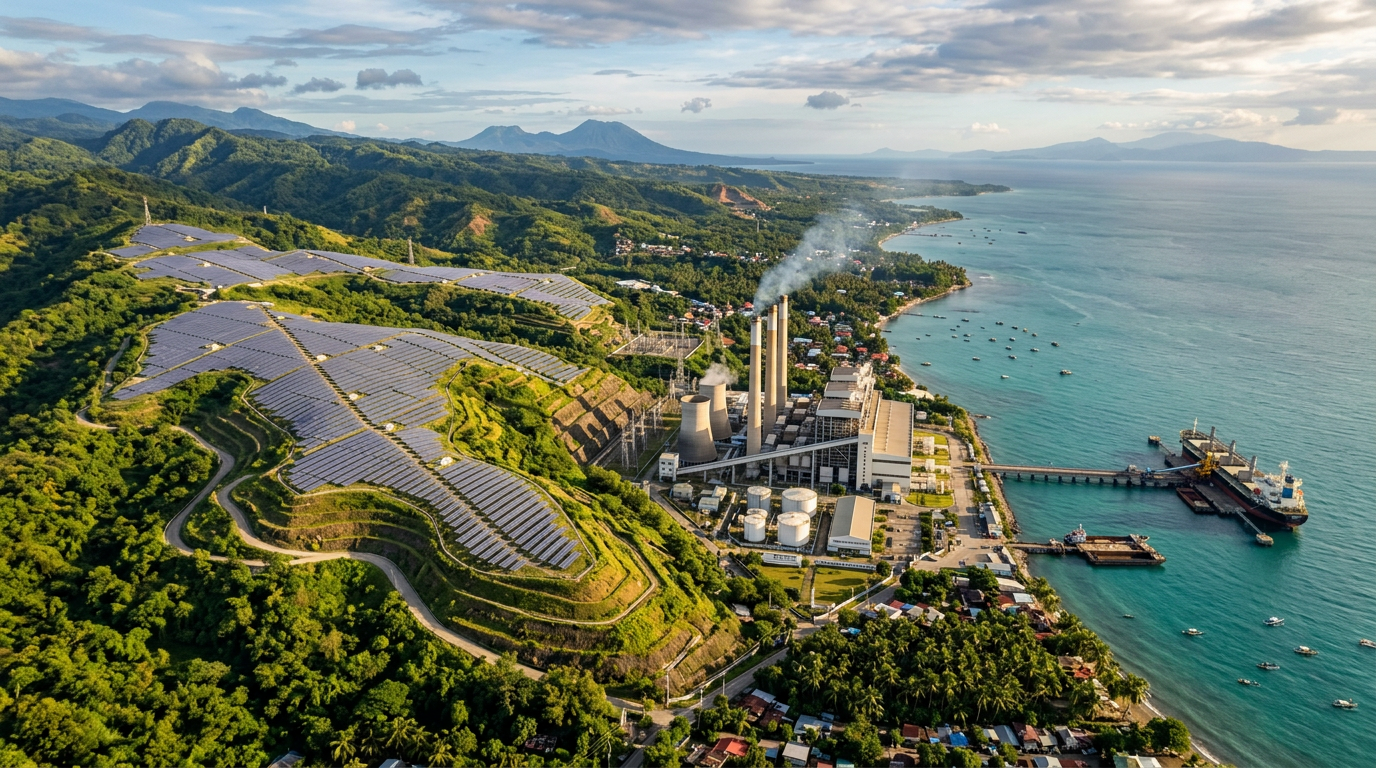
The Philippines’ Energy Regulatory Commission (ERC) has reported significant progress across regulatory approvals, consumer refunds and wider power-sector reforms. The regulator’s initiatives are focused on accelerating decision-making, improving consumer protection and strengthening transparency across the electricity industry. Consumer relief has emerged as an important part of the reform agenda, alongside efforts to improve regulatory efficiency and address long-standing sector issues. The developments highlight the ERC’s expanding role in shaping a more responsive electricity market as the Philippines balances affordability, energy security and the integration of new generation and clean-energy technologies into its evolving power system.

Singapore’s Energy Market Authority has granted conditional approvals for 900 MW of electricity imports from Peninsular Malaysia, strengthening the country’s strategy to diversify its power supply with lower-carbon electricity. Sembcorp Utilities has approval for 300 MW, while Southern Solar Alliance, a Ditrolic Energy subsidiary, accounts for 600 MW. The electricity will primarily come from solar projects integrated with battery storage in Johor, with commercial operations targeted around 2029. The initiative forms part of Singapore’s broader cross-border electricity strategy and demonstrates the growing role of regional interconnections in Southeast Asia’s clean energy transition.
Equinix has signed a 50 MWp solar Power Purchase Agreement with Flo Energy to increase renewable electricity supply for its operations in Singapore. The agreement highlights the growing demand for clean power from energy-intensive digital infrastructure as data centre operators work to reduce the carbon footprint associated with expanding computing capacity. Corporate renewable PPAs provide businesses with a mechanism to support new clean-energy generation while improving long-term electricity sourcing. The Equinix-Flo Energy partnership also reflects Singapore’s wider push to overcome domestic renewable resource constraints through innovative procurement models and stronger regional clean-energy integration.
Shell Energy Philippines is advancing a 30 MW/60 MWh battery energy storage system in Hermosa, adding momentum to the country’s expanding utility-scale storage market. The two-hour battery project is positioned to support grid flexibility as the Philippines integrates increasing volumes of variable renewable generation. BESS assets can store electricity when supply is abundant and dispatch it when required, helping manage fluctuations and strengthen power-system reliability. The Hermosa development also highlights growing private-sector investment in energy storage as batteries become increasingly important to the Philippines’ broader strategy for improving grid resilience and enabling greater renewable energy penetration.
The Philippines’ Energy Regulatory Commission has expressed support for proposed nuclear energy legislation aimed at strengthening the country’s long-term energy security and electricity reliability. Nuclear power is increasingly being considered alongside renewable energy, storage and other generation technologies as the Philippines evaluates options for meeting rising electricity demand while reducing exposure to imported fossil fuels. A dedicated legislative and regulatory framework would be critical for establishing safety, liability, oversight and commercial requirements for any future nuclear programme. The development signals continued policy interest in diversifying the Philippines’ generation mix while maintaining reliable and affordable electricity supplies.
PCG Global has completed grid connection of a 9.57 MW commercial and industrial solar project in Indonesia, adding new distributed renewable capacity to the country’s expanding clean-energy market. C&I solar is becoming increasingly important across Southeast Asia as businesses seek to lower electricity costs, meet sustainability commitments and reduce dependence on conventional power sources. Successful grid connection enables the project to begin contributing renewable electricity while demonstrating the viability of larger-scale solar solutions for industrial and commercial users. The development also reflects Indonesia’s growing opportunity for private-sector solar deployment alongside its broader efforts to increase renewable energy participation.
The Philippines has broken ground on its first 41 MWp integrated solar project paired with 53 MWh of battery storage in Pampanga. Developed under Citicore Renewable Energy Corporation’s embedded solar model, the project combines local renewable generation with storage and direct integration into the distribution network. CREC is developing a similar 41 MWp/53 MWh facility in Nueva Ecija, taking the two-project pipeline to 82 MWp of solar and 106 MWh of storage. The approach is designed to reduce network losses, strengthen local electricity reliability and support renewable portfolio requirements.
Founder Energy has secured a RM4.7 million contract for a 1.4 MW rooftop solar project in Malaysia, adding to the momentum behind commercial and industrial solar deployment in the country. Rooftop installations allow businesses to utilise existing building space for on-site renewable electricity generation while potentially reducing grid electricity consumption and long-term energy costs. The contract reflects continued corporate interest in distributed solar as Malaysian companies pursue sustainability and decarbonisation objectives. Projects of this scale also contribute to the broader decentralisation of electricity generation, complementing Malaysia’s utility-scale renewable developments and regional clean-energy ambitions.
Discover more from SolarQuarter
Subscribe to get the latest posts sent to your email.
Source link