
From ESS News
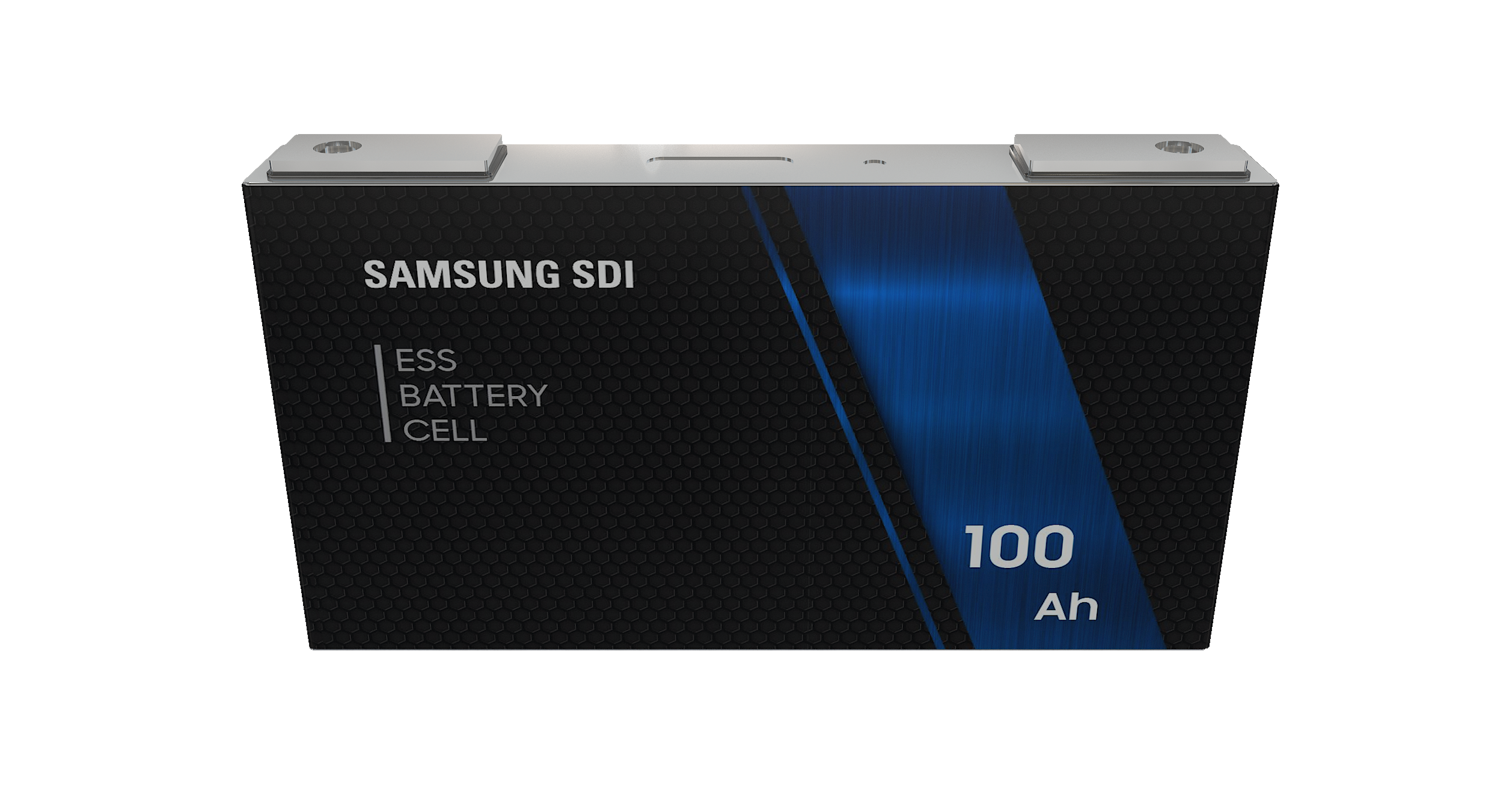
Chinese inverter and energy storage supplier Sungrow plans to procure battery cells from South Korea’s Samsung SDI for use in its energy storage systems, primarily to support deliveries to the U.S. market, a person familiar with the matter told ESS News.
The source confirmed that Sungrow and Samsung SDI are moving forward with the cooperation, but declined to disclose the expected procurement volume, contract value, supply schedule or other commercial terms.
Sungrow and Samsung SDI did not respond to this publication’s requests for comment by the time of writing.
The confirmation follows reports in South Korea that Samsung SDI is negotiating a major lithium iron phosphate (LFP) battery supply agreement with a global energy storage system supplier.
South Korean electronics industry outlet The Elec reported earlier this month that the proposed agreement would run for three years, with annual supplies amounting to several gigawatt-hours and a total contract value in the trillions of Korean won. The report did not identify the customer.
The person familiar with the matter confirmed to ESS News that Sungrow is the company involved and said the battery cells would be incorporated into Sungrow’s own energy storage systems. The main purpose of the arrangement is to help the company maintain its ability to supply the U.S. storage market, the source said.
While a logical outcome of the deal suited to both supplier and offtaker, it remains yet to be confirmed that Samsung SDI would supply Sungrow from its US-based cell manufacturing plants.
Samsung SDI has been expanding its U.S. energy storage manufacturing footprint through StarPlus Energy, its joint venture with Stellantis in Indiana. The Korean battery manufacturer has been converting part of the facility’s electric vehicle battery production capacity to stationary storage and said it plans to begin mass production of prismatic LFP batteries there in the fourth quarter of 2026. LG did similar with its own JV with Stellantis.
The move comes as battery and storage suppliers are adapting their supply chains to tightening U.S. restrictions on China-linked battery components and equipment.
In March, Samsung SDI also signed a three-year agreement to procure KRW 1.6 trillion ($1.1 billion) of LFP cathode materials from South Korean materials supplier L&F starting in 2027. Samsung SDI said the materials would be used to manufacture ESS batteries at StarPlus Energy as part of efforts to establish a supply chain less dependent on China for the North American market.
Sungrow and Samsung SDI have an established history in energy storage. The companies agreed in 2014 to form a joint venture targeting the Chinese ESS market, and in 2016 launched a storage manufacturing operation in Hefei, Anhui province, combining Samsung SDI batteries with Sungrow power conversion and energy management technology.
The renewed cooperation comes at a more complicated point for Sungrow’s U.S. business. The company has stated publicly that it has no current plan to establish manufacturing operations in the United States, while indicating that it is seeking greater cooperation with overseas companies in areas including components and services as it adjusts to changes in the U.S. market.
Using cells manufactured by a non-Chinese supplier in the United States could help Sungrow diversify its battery supply chain for American projects. However, the structure of the future supply chain, including where complete battery energy storage systems will be assembled and how they will comply with evolving U.S. rules governing foreign-produced grid equipment, remains unclear.
Source link