

August 19, 2026
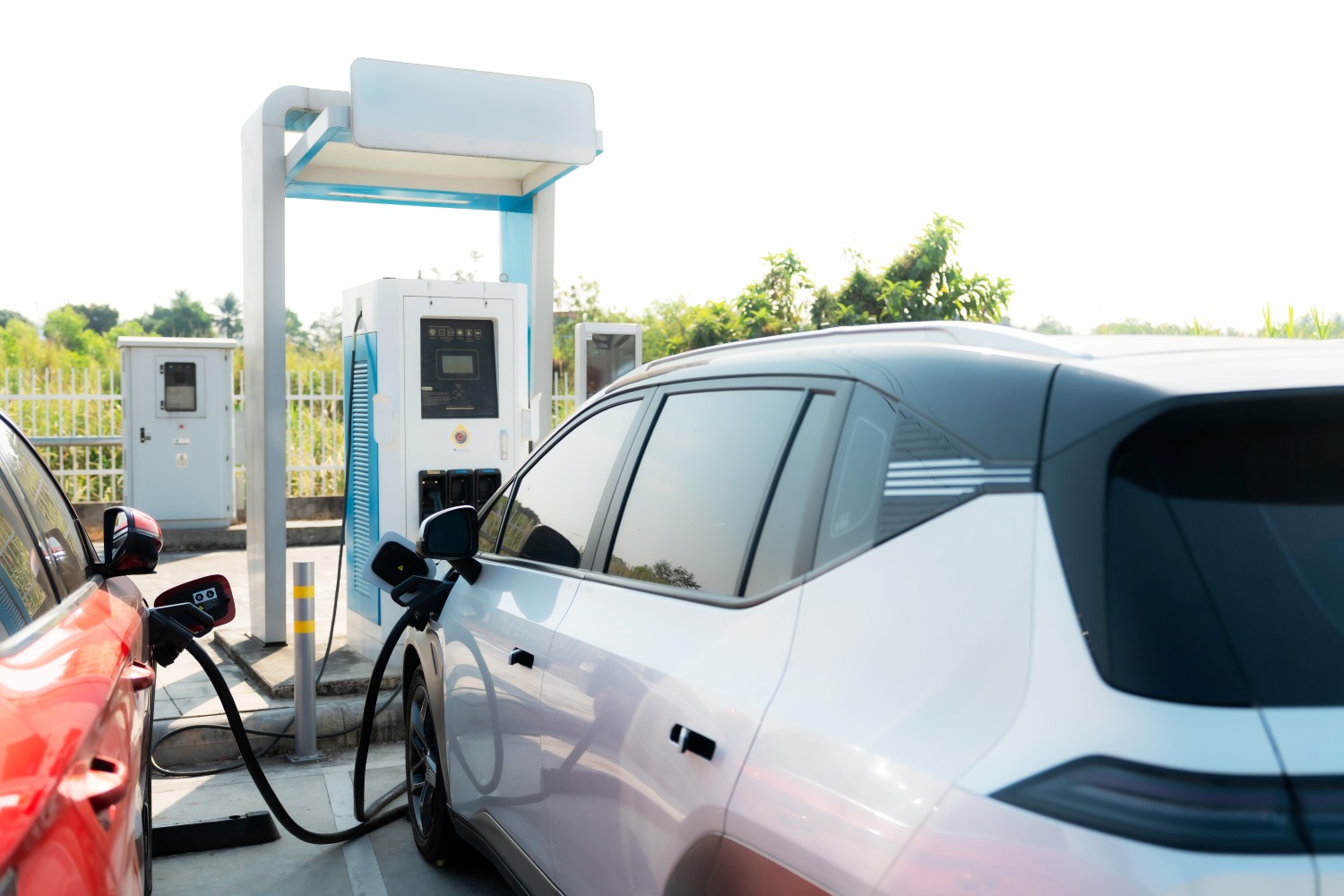
A new report shows that unlocking vehicle-to-grid (V2G) infrastructure and other customer-owned resources could help solve California’s energy affordability and reliability challenges.
The report, “Unlocking California’s Flexible Load: A Durable Blueprint for Affordability and Reliability,” outlines practical recommendations for integrating electric vehicles (EVs), home batteries, smart buildings, and other flexible loads into grid operations to lower electricity costs, strengthen grid reliability, and modernize demand flexibility programs. The report was informed by a series of roundtable discussions facilitated by the Energy & Efficiency Institute at University of California Davis.
The new study was conducted by grid experts at GridLab, Kevala, and E3 as California faces rising electricity costs, rapid electrification, and growing pressure on its electric grid. The report provides a roadmap for unlocking the potential of millions of customer-owned energy resources to improve affordability and grid reliability.
Solutions sitting in driveways
GridLab’s 2024 study with The Brattle Group found that virtual power plants (VPPs) could save California utilities and consumers $550 million annually while meeting more than 15% of the state’s peak electricity demand using commercially available technologies. Building on those findings, the new report identifies the policy and program changes needed to unlock those benefits at scale.
“The next generation of grid infrastructure is already sitting in our driveways, homes, and businesses,” says Ric O’Connell, executive director of GridLab. “The question isn’t whether California has the resources, it’s whether our programs are designed to unlock their full value. This report provides a roadmap to modernize demand flexibility so customers, utilities and the grid all benefit.”
EVs illustrate the scale of that opportunity. Among the report’s key findings, enrolling just 10% of California’s projected EVs in V2G programs by 2036 could provide approximately 9 GW of 12-hour storage, representing more than one-third of the state’s 2036 long-duration storage procurement target.
“Customers are investing in electric vehicles, batteries and smart technologies at an unprecedented pace,” says Ben Finkelor, executive director of the UC Davis Energy and Efficiency Institute. “Making it easier for those resources to participate in demand flexibility programs will help customers realize more value from those investments while supporting a cleaner, more reliable electric grid.”
Standardizing demand flexibility programs
Today, California’s demand flexibility programs vary across utilities, creating a fragmented customer experience that limits participation and prevents the state from fully capturing the value of flexible energy resources. The report recommends standardized, interoperable program frameworks to improve participation and better align incentives across utilities. To modernize demand flexibility programs, the report recommends:
- Standardizing program design to create a consistent customer experience across California.
- Implementing performance-based incentives that reward verified grid services.
- Expanding participation from electric vehicles, batteries, smart buildings and other distributed energy resources.
- Improving interoperability and market coordination through consistent program frameworks and market signals.
- Paying below avoided costs for robustly measured incremental grid impacts to lower costs for all ratepayers.
“Affordability is central to the report’s recommendations,” says Eric Cutter, partner at E3. “Drawing on lessons from California’s experience with Net Energy Metering (NEM), the report argues that the next generation of demand flexibility programs must reward participating customers for the measurable value they deliver to the grid and not increase bills for others. Only by aligning incentives with grid value and verified performance, not simply participation, will demand flexibility help lower system costs, strengthen grid reliability, and ensure the benefits of California’s clean energy transition are shared by all ratepayers.”
As California continues to electrify transportation, buildings and industry, demand flexibility can become a foundational grid resource alongside renewable generation and energy storage, reducing costs, strengthening reliability and making better use of existing infrastructure.
“Scaling demand flexibility is less about creating new programs and more about making existing programs work better together,” says Ed Randolph, former director of the energy division at the California Public Utilities Commission and now with Caliber Strategies. “Customers shouldn’t have to navigate different rules depending on where they live. Standardizing program design and rewarding verified performance will help California scale demand flexibility more efficiently while improving affordability and reliability.”
The full report, “Unlocking California’s Flexible Load: A Durable Blueprint for Affordability and Reliability,” is available here.
Tags: California, California Public Utilities Commission, electric vehicles, EV chargers, home storage, vehicle-to-grid (V2G)
Source link