

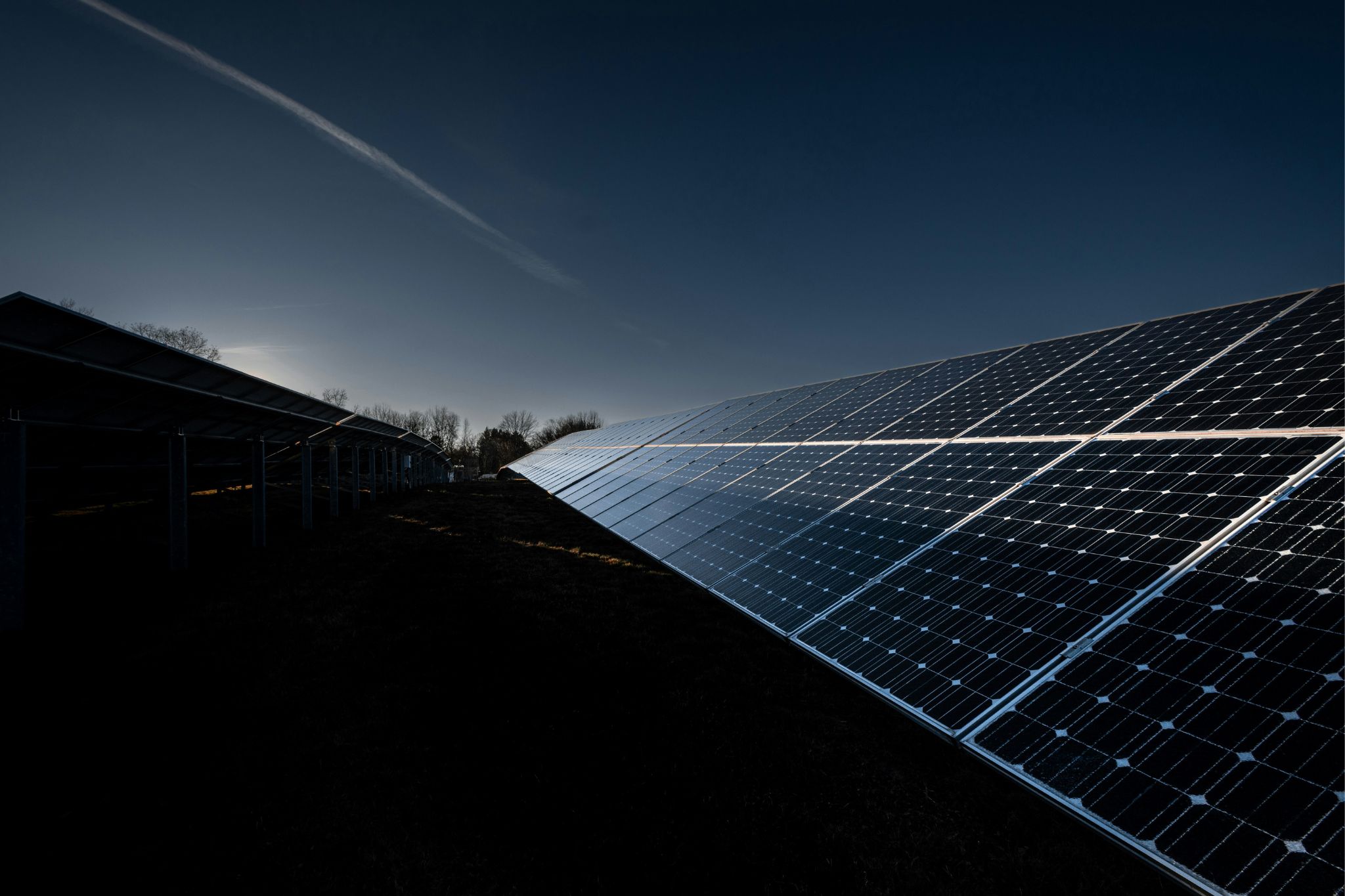

Virginia lawmakers have passed the Facilitating Access to Surplus Transmission (FAST) Act, groundbreaking legislation that establishes the Commonwealth’s first pilot program to unlock surplus interconnection capacity at existing solar facilities. The bill will enable developers in Virginia to deploy lower-cost energy resources by using grid infrastructure that is already built, already studied, and currently underused.
“We don’t have the luxury of slow and expensive anymore,” acknowledged Virginia Senator Schuyler VanValkenburg. “This puts Virginia out front by moving power onto the grid faster and avoiding unnecessary costs. It reflects what Virginians have asked of us: build the capacity our economy needs while keeping energy affordable.”
“We don’t need to wait years and spend billions to build from scratch. We can plug new energy into connections that already exist. That’s faster, it’s cheaper, and it keeps our grid strong,” added Virginia Delegate Phil Hernandez.
Under the FAST Act, utilities must evaluate interconnection capacity across their existing and planned solar facilities and power purchase agreements, identifying at least two and five viable sites, respectively, for deploying surplus interconnection capacity. By tapping unused capacity at existing generation sites, the FAST Act creates a pathway to deliver new clean energy in months rather than years while helping avoid costly transmission upgrades and infrastructure buildouts that drive up customer bills.
The FAST Act also directs utilities to launch competitive solicitations for pilot projects totaling up to 100 megawatts (MW) for Phase I utilities and 500 MW for Phase II utilities, enabling new solar and battery storage resources to plug into the grid more quickly and affordably.
“This first-of-its-kind pilot shows how we can add new megawatts faster and at lower cost by using infrastructure that’s already in place. That means lower bills, a stronger grid, and new investment in Virginia communities, without waiting a decade for new buildouts,” surveyed Jim Purekal, Virginia policy lead at clean energy lobbying association Advanced Energy United.
“With legislative approval secured, Virginia now has the opportunity to turn momentum into action,” Purekal added. “We urge the Governor to sign the FAST Act and launch this pilot program so utilities, developers, and communities can begin putting surplus interconnection to work.”
Grid interconnection and transmission, rather than generation, appear to be the largest stumbling blocks ahead of the United States in its race to power artificial intelligence. A 2024 report produced by Power Advisory estimated that fixing generator interconnection processes could result in $100 billion in economic benefits and save Americans more than one million jobs; it’s likely that figure has increased since the analysis was published.
Source link