

From ESS News
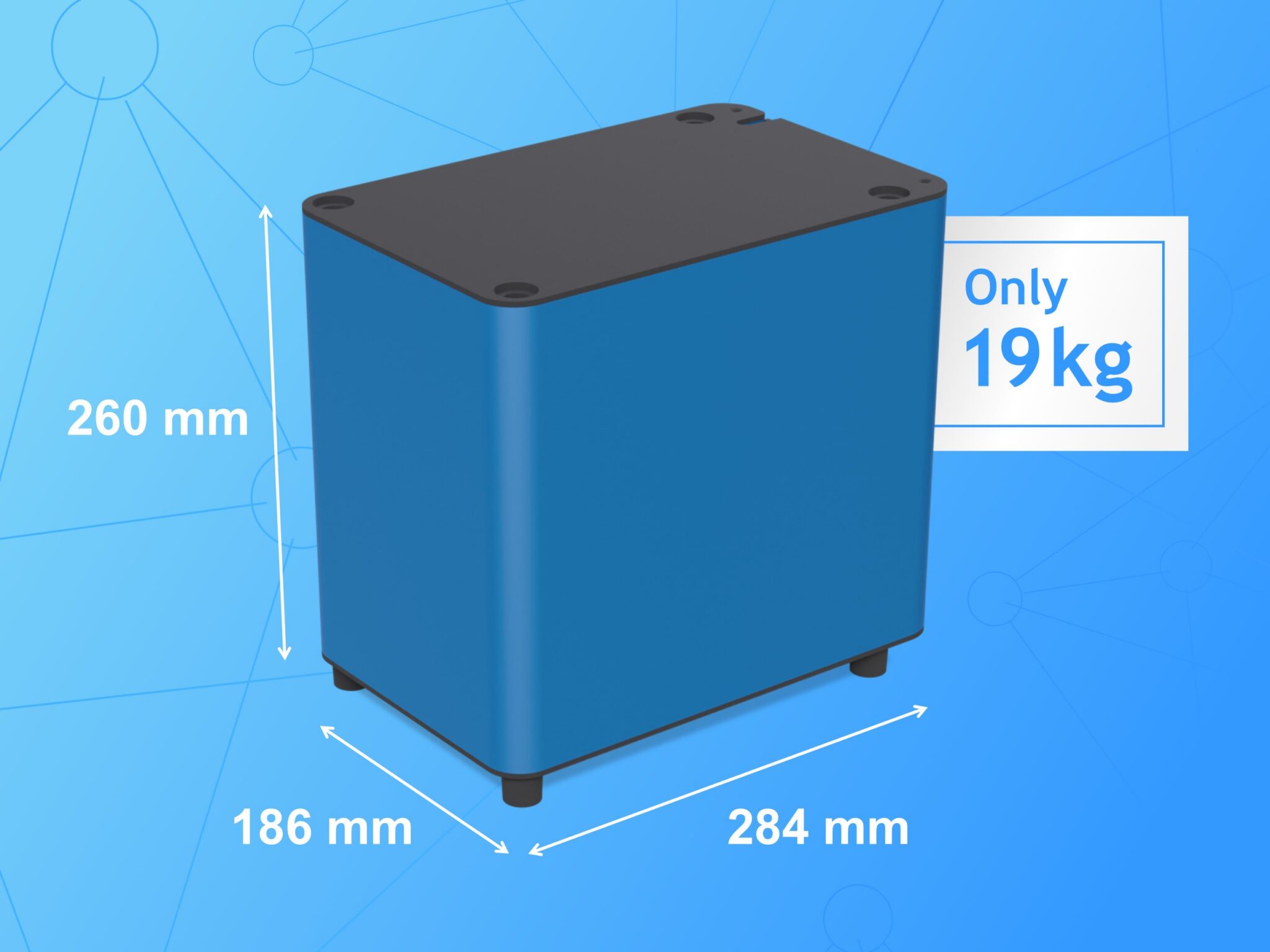
Revolta AG has secured funding from the German state of Hesse under the ERDF for its “Highly Efficient AC Salt Battery” project, through which it is developing a sodium-ion alternating current (AC) battery for residential use.
It said the system is designed to connect directly to the grid, charging when power prices and grid fees are low and feeding electricity back when prices are higher. It is aimed at smaller rental apartments without their own PV systems, which have had limited options for battery storage, and uses sodium-ion cells that require no lithium or cobalt.
Hesse’s register of ERDF beneficiaries lists the project with eligible costs of €660,545 ($743,530) and a 40% EU co-financing rate, equivalent to about €264,200, running from Aug. 1, 2026, to Dec. 31, 2029. The company did not disclose the capacity, power rating, price, or launch date of the AC battery.
Frankfurt-based Revolta launched a high-voltage sodium-ion home battery for households with PV in July. The company also holds a grant of €124,940 from Germany’s Federal Environmental Foundation for an AC battery project running from September 2025 to September 2027.
The business case for grid-charging home batteries in Germany shifted on Oct. 1, when the country’s grid regulator adopted rules that let storage systems draw power from the grid and feed it back later, with lower levies and grid fees on the power they return. The rules also apply to storage without its own generation.
The ERDF is also backing sodium-ion manufacturing in Germany. Moll Batterien secured €22.17 million in public funding for a planned 1 GWh sodium-ion battery plant in Lichtenfels, Bavaria, including €2.52 million from the ERDF.
Source link