

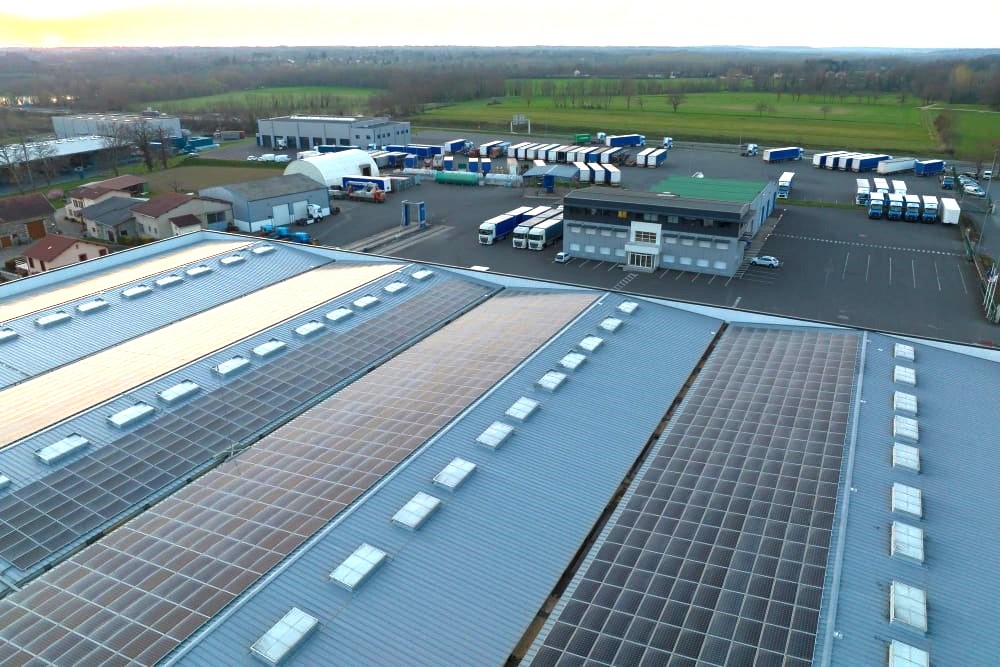
Mexico’s cumulative distributed generation capacity reached 5,675.47 MW at the end of June 2026, according to figures published by the National Energy Commission (CNE) on Nov. 4. The country added 485.76 MW in the first half of the year, up 9.4% from the 5,189.71 MW recorded at the end of 2025. Solar accounted for nearly all the new capacity, with 484.36 MW added during the period.
The number of processed interconnection applications increased from 600,651 at the end of 2025 to 655,417 in June 2026, an increase of 54,766, or 9.1%. Solar accounted for 655,124 cumulative applications and 5,649.34 MW of installed capacity, compared with 600,368 applications and 5,164.98 MW at the end of 2025.
Jalisco led Mexico’s states in cumulative distributed generation capacity, with 808.58 MW, followed by Nuevo León with 596.22 MW and Chihuahua with 424.85 MW. Together, the three states accounted for 32.24% of the national total. Guanajuato, Coahuila, the State of Mexico, Sonora and Yucatán followed.
Cumulative investment in distributed generation reached an estimated $14.58 billion, according to the CNE, up approximately $1.25 billion from $13.34 billion at the end of 2025. Investment in solar installations accounted for an estimated $14.46 billion of the total.
Net metering accounted for 648,260 processed interconnection applications and 5,596.65 MW of installed capacity. Systems up to 50 kW represented 98.23% of applications under this scheme, with 636,775 registrations and 3,557.98 MW of capacity. Installations ranging from 250 kW to 500 kW accounted for 2,600 applications and 1,081.98 MW.
The latest figures update the year-end 2025 statistics previously reported by pv magazine México in June. They confirm that solar remains the dominant distributed generation technology in Mexico, ahead of biogas, biomass, cogeneration and small-scale wind power.
The comparison covers installations registered under the distributed generation framework introduced in 2017, excluding legacy contracts under the former small- and medium-scale generation scheme. This provides a consistent basis for comparing figures from December 2025 and June 2026.
Source link